Redbridge garden waste rules explained for Wanstead gardeners
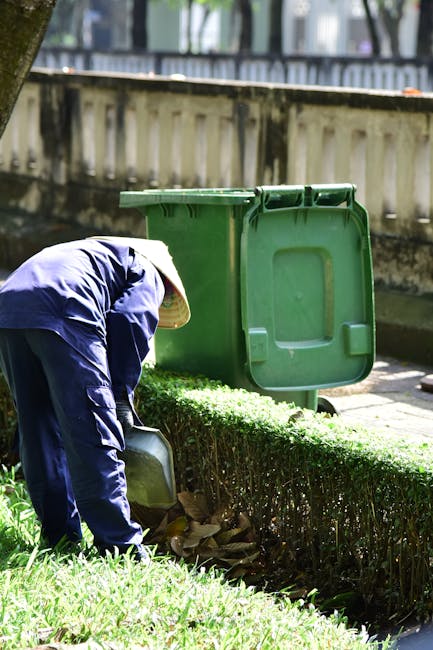
If you garden in Wanstead, sooner or later you run into the same awkward question: what, exactly, counts as garden waste, and what should you do with it once the hedge is cut, the lawn is scarified, or the borders have been cleared? Redbridge garden waste rules can feel a bit like a moving target if you only deal with them once in a while. This guide explains the essentials in plain English, with the practical detail local gardeners usually need on a damp Saturday afternoon when the bins are already full and the van is waiting outside.
We'll look at what garden waste usually includes, how local disposal and collection arrangements tend to work, where people commonly go wrong, and how to plan garden jobs so you stay tidy, compliant, and not overly stressed. You'll also see where professional help like garden clearance, garden maintenance, and recycling-focused services can make life simpler.
Quick takeaway: the safest approach is to separate garden waste early, keep soil and hardcore out of green waste streams unless your local collection specifically allows them, and check the latest Redbridge arrangements before you book a pickup or arrange removal. Simple, yes. Always easy? Not quite.
Why Redbridge garden waste rules explained for Wanstead gardeners Matters
Garden waste looks harmless. Grass clippings, twigs, hedge trimmings, spent plants, a few fallen leaves. Nothing dramatic. But once it's piled up in a corner or mixed into a general waste load, it becomes a different story. Councils, waste carriers, and recycling facilities need waste separated properly so it can be processed safely and efficiently. That matters for two reasons: compliance and cost.
For Wanstead gardeners, the local angle matters because Redbridge sits within a dense London setting where space is limited, collection access can be awkward, and households often want tidy front gardens, compact storage, and quick turnaround. In practical terms, that means garden waste needs a plan, not just a bin bag and hope. Let's face it, nobody wants a load rejected because it contains rubble, plastic plant pots, or a few sneaky bricks from an old edging job.
The rules also matter because garden work rarely stays in one category. A simple hedge trim can produce woody stems, green clippings, and mixed debris. A border clear-out may produce soil, roots, and dead plant matter. A bigger refresh might include timber, old decking offcuts, and damaged sleepers. If you understand the categories early, you avoid last-minute stress and repeated handling.
There's also a homeowner responsibility angle. If you pay someone to clear or dispose of waste, you still want to know it is being handled properly. In our experience, most problems start with assumptions: "It's all organic, so it must all go together." Not quite. Some materials are recyclable as green waste, some are not, and some need separate treatment. A little clarity saves a lot of mess.
How Redbridge garden waste rules explained for Wanstead gardeners Works
At a simple level, Redbridge garden waste rules generally revolve around keeping garden material separate from household rubbish and presenting it in a form that can be collected, processed, or transported without contamination. The exact collection arrangements can change over time, so the safest habit is to check the current Redbridge instructions before you set anything out.
Most garden waste systems in London follow the same broad logic. Clean, organic material such as grass cuttings, leaves, weeds, prunings, and small branches is usually treated differently from general household waste. But once you add in items like soil, turf, stones, treated timber, plastic ties, pots, or fencing, you are no longer dealing with straightforward green waste.
In day-to-day gardening, that distinction matters more than people think. A client tidying a small Wanstead front garden might only have one sack of clippings. Another doing a full seasonal clearance may end up with five separate streams of material: green cuttings, woody waste, soil, old compost, and a bit of hard rubbish from a broken planter. Same garden, very different disposal approach.
Here's the practical version:
- Green waste: usually grass, leaves, weeds, plant cuttings, and small prunings.
- Woody waste: hedge trimmings, thicker stems, branches, and shrub cuttings.
- Contaminated waste: green waste mixed with plastic, wire, compost bags, or non-organic debris.
- Heavy waste: soil, turf, stones, rubble, old pots, concrete, and similar materials.
That last category is where people often get caught out. Soil and turf feel "garden-y," but they're usually managed differently from green waste because of weight and processing issues. If you're planning a larger project, it often makes sense to split the waste before the job begins rather than trying to sort it all in the driveway later. Much easier on the back too.
If you're arranging professional help, services like garden clearance or services overview pages can help you think through the right type of support before the waste pile gets out of hand.
Key Benefits and Practical Advantages
Understanding the local rules is not just about avoiding a problem. It genuinely makes gardening easier. Once you get the waste flow right, everything speeds up a bit and the garden feels less chaotic. Sounds small, but it changes the whole rhythm of a job.
- Cleaner garden jobs: waste is removed in stages instead of becoming one giant mixed pile.
- Fewer collection issues: you reduce the chance of rejected loads or missed pickups.
- Lower hassle: no one enjoys re-sorting cuttings after a long day trimming hedges.
- Better recycling outcomes: clean green waste is easier to process responsibly.
- Safer working conditions: separating waste reduces handling of sharp, heavy, or awkward materials.
There's a quieter benefit too: better planning. Once you know what counts as green waste and what doesn't, you can estimate how much space you'll need, whether you need a van or just bin bags, and whether the job can be handled in one visit or needs a follow-up. That helps with budgeting and timing, which is useful if you're fitting garden work around school runs, deliveries, or an awkwardly rainy week in east London.
For many homeowners, the biggest practical advantage is peace of mind. You can finish a clear-out and know the waste is going to the right place rather than sitting in a heap behind the shed for three more weeks. That alone is worth it, honestly.
Who This Is For and When It Makes Sense
This guidance is for anyone in Wanstead who generates garden waste and wants to handle it properly. That includes homeowners, landlords, tenants with garden responsibility, and people managing shared outdoor space. If you only mow a small lawn now and then, you may only need the basics. If you regularly prune hedges, clear beds, or tidy larger plots, the rules become much more relevant.
It also makes sense in a few specific situations:
- After a seasonal tidy-up when leaves and branches suddenly multiply overnight.
- Before hedge cutting, because hedge trimmings can become bulky quickly.
- When clearing an overgrown garden, where mixed waste is almost inevitable.
- During landscaping projects that create soil, turf, timber, and green waste together.
- If you want to avoid repeated trips to the tip or avoid filling household bins with garden cuttings.
It also matters if you care about sustainability. Many people in Wanstead do. They want their garden waste handled in a way that feels sensible, not wasteful. A good approach usually combines clean sorting, responsible removal, and a bit of forward planning. If that sounds like your sort of thing, the recycling and sustainability page is a useful place to understand how a garden service may approach waste reduction in practice.
Step-by-Step Guidance
If you want to stay on the right side of local rules and avoid awkward surprises, work through the process in order. Nothing fancy. Just a calm, sensible routine.
- Identify the waste type. Separate green cuttings, woody material, soil, and non-organic waste before you start bagging anything.
- Remove contaminants. Pull out plastic labels, twine, broken pots, stones, and any bits of fencing or metal.
- Keep heavy waste apart. Soil, turf, and rubble should be handled separately unless a service explicitly says otherwise.
- Bag or bundle neatly. Use sensible-sized bags or tie branches securely so they are safe to move.
- Check your disposal route. Confirm whether you're using council collection, private clearance, or another arrangement.
- Prepare access. Make sure gates, side passages, and driveways are clear enough for safe handling.
- Schedule the job realistically. If a garden is heavily overgrown, allow extra time. The waste is often bigger than it looks at first glance.
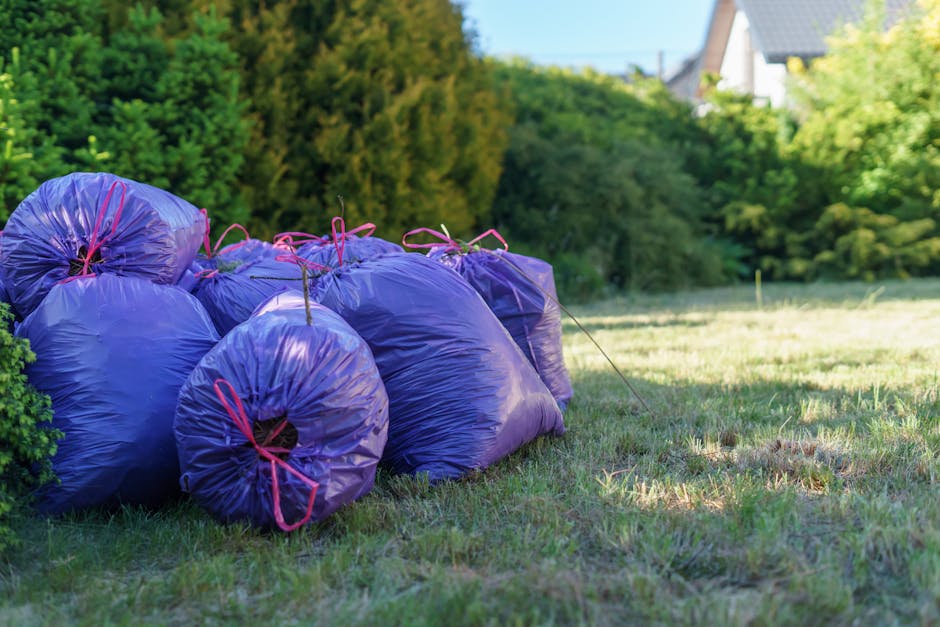
One thing people forget: what seems like a small pile after cutting can expand fast once it's loosened, shaken out, and separated. A neat-looking heap in the border can become three sacks and a bundle of branches by the time you're done. So plan for more than you think you need. Not wildly more, just a bit more.
If the work is substantial, combining clearance with routine upkeep can be efficient. For example, a one-off tidy may be followed by regular garden maintenance to keep the waste level under control rather than letting it build up again.
Expert Tips for Better Results
There are a few habits that make all the difference, and they're not glamorous. Mostly they're about staying organised before the waste starts flying.
- Cut dry when you can: damp clippings are heavier and messier, especially after rain.
- Prune in stages: if a hedge is large, cut and clear section by section instead of leaving one massive pile.
- Use separate containers: one for green waste, one for woody waste, one for heavy debris. It sounds basic because it is.
- Think about access early: narrow side passages and steep steps can turn a simple removal into a clumsy carry job.
- Protect surfaces: use tarps or sheets where needed so wet cuttings do not stain paving or decking.
For hedge-heavy gardens, the right trim and disposal rhythm matters. A small hedge tidy can be handled quickly, but a long boundary hedge creates a lot of volume. If you are regularly dealing with that sort of workload, it may be worth pairing waste planning with a professional hedge trimming service so the cutting and removal stay manageable.
And here's a small but useful tip: if the garden has any timber features, old edging, or damaged boards, separate them before the waste day. Mixed loads are the enemy. They slow everything down. No drama, just annoying.
Common Mistakes to Avoid
Most garden waste problems are not caused by huge mistakes. They come from a few recurring habits that seem harmless at first.
- Mixing everything together: green waste, soil, plastics, and rubble should not all end up in the same pile.
- Overfilling bags: very heavy bags are hard to move and can split at the worst possible moment.
- Assuming all plant material is accepted: woody material and green cuttings may be treated differently depending on the collection method.
- Leaving waste too long: damp piles start to smell, attract pests, and make the garden feel neglected.
- Forgetting about safety: thorny cuttings, hidden glass, and sharp canes can catch you out quickly.
A common one is turf. People think it is just "more garden waste," but it is heavy, muddy, and awkward. Another is old compost. It can look like soil, but it often contains roots, stones, or contaminants. Those little differences matter in real life, not just on paper.
Another mistake? Booking clearance before checking access. A perfectly good waste plan can fall apart if the side path is blocked by bins, a bike, and a broken parasol. It happens. More than you'd think.
Tools, Resources and Recommendations
You do not need a shed full of specialist kit to manage garden waste properly, but a few basic tools make the work smoother and safer.
| Tool or resource | What it helps with | Why it matters |
|---|---|---|
| Heavy-duty garden sacks | Collecting cuttings and leaves | Better for handling than random carrier bags |
| Tarpaulin or ground sheet | Gathering waste from borders or lawn areas | Keeps material contained and easier to load |
| Pruning saw or loppers | Cutting branches down to size | Helps turn bulky waste into manageable pieces |
| Gloves and sturdy shoes | General handling | Reduces cuts, slips, and sore hands after a long session |
| Professional clearance support | Larger or mixed waste loads | Useful when the job is too awkward for a DIY clear-out |
If you're comparing options, a professional clearance service can be especially helpful where waste is mixed, access is tight, or the garden has been neglected for a while. That is exactly the sort of situation where a small job suddenly becomes a bigger one. If you want a clearer sense of what's included, have a look at pricing and quotes before you commit to a plan.
For households that prefer to keep things tidy over time, routine lawn care through lawn mowing and regular upkeep can also reduce the amount of seasonal waste you have to deal with all at once. It sounds obvious, but the less overgrowth you allow, the less waste you end up wrestling with later.
Law, Compliance, Standards, or Best Practice
This is the part most people would rather skip, but it is worth understanding. Garden waste disposal in the UK is shaped by general waste management duties, local collection rules, and common best practice around sorting, storage, transport, and environmental responsibility. The exact Redbridge details should always be checked directly through the council's current guidance, because collection methods and accepted materials can change.
From a practical standpoint, a few standards apply almost everywhere:
- Do not contaminate recyclable green waste. Plastic, metal, glass, rubble, and treated timber can create disposal problems.
- Use a registered waste carrier for commercial removal where required. This is a sensible safeguard when you are paying someone to take waste away.
- Keep records where appropriate. For larger jobs or property management work, it helps to know who removed the waste and when.
- Work safely. Heavy bags, sharp branches, and awkward lifts are part of the job, so safer handling is not optional.
Best practice also means making sure waste is dealt with in a way that supports reuse and recycling where possible. That does not mean every leaf has to be analysed with a magnifying glass. It just means keeping organic material clean enough that it can be handled properly.
If your garden work includes structural changes, you may also be dealing with waste linked to decking, paths, or landscaping. In those cases, it's worth planning the waste route alongside the project itself. A decking refresh, for example, often creates both green waste and timber waste, and those are best separated from the start. The same goes for larger landscaping work. A tidy job stays tidy when the waste plan is part of the design, not an afterthought.
If you want to know more about how a responsible local business approaches safety and waste handling, the health and safety policy and insurance and safety information are useful reading. Not exciting, admittedly, but reassuring.
Options, Methods, or Comparison Table
Wanstead gardeners usually have three broad choices for dealing with garden waste: council collection, DIY transport, or professional clearance. Each has a place. The right one depends on volume, waste type, timing, and how much lifting you want to do yourself.
| Method | Best for | Pros | Watch-outs |
|---|---|---|---|
| Council garden waste service | Regular, clean green waste | Convenient, familiar, usually good for recurring maintenance | May have set collection rules, limits, or schedules |
| DIY disposal | Smaller loads and people with transport | Flexible, direct, useful for occasional clear-outs | Time-consuming, messy, and tricky with heavy waste |
| Professional clearance | Mixed, bulky, or awkward waste | Saves time, useful for one-off jobs, handles larger volumes | Costs vary depending on waste type and access |
If your waste is mostly grass and leaves, a council route may be all you need. If you have a boundary hedge cut, a tree prune, and some old compost bags in the mix, a clearance service usually makes more sense. And if you're somewhere in the middle, well, that's where judgement comes in. There isn't always one perfect answer.
For bigger pruning jobs, tree work, or branch-heavy waste, a service like tree lopping and removal can be the cleaner option because it deals with the bulky woody material properly instead of leaving you with a pile that looks smaller in the morning and much larger by lunch.
Case Study or Real-World Example
A typical Wanstead scenario goes like this. A homeowner plans a quick spring tidy: trim the hedge, cut the lawn, remove a few old perennials, and clear the corner beside the shed. At the start, it looks like a light day. By mid-morning, there are green clippings underfoot, two bundles of hedge cuttings, a bucket of roots, and a broken planter that was hiding behind some ivy. The tea goes cold. Happens all the time.
The sensible approach in that situation is to sort as you go. Keep the hedge trimmings separate from the lawn clippings. Put soil and roots in a different pile. Remove the plastic, broken ceramics, and anything that is not truly garden waste. If the job has grown beyond a few sacks, it may be smarter to book help rather than squeezing everything into one bin collection and hoping for the best.
That is exactly why planning matters. A small job can become a mixed-load clear-out in a very short time, especially if the garden has been left alone for a while. The better organised you are at the start, the calmer the end result.
In a case like this, a combined service approach often works well: hedge trimming, lawn cutting, and then removal of the resulting waste. Not glamorous. Very practical. And much better than spending the afternoon trying to fit thorny branches into a bag that never quite cooperates.
Practical Checklist
Use this quick checklist before you arrange collection or book a clearance visit.
- Have I separated green waste from soil, rubble, and non-organic items?
- Are there any contaminated bags or mixed debris that need sorting?
- Do I know the current Redbridge collection or disposal rules?
- Is access to the garden clear for safe carrying or loading?
- Do I have the right bags, bundles, or containers for the job?
- Is the waste heavy enough to need professional removal?
- Do I need help with pruning before disposal, not just with the waste itself?
- Have I thought about recycling and sustainability rather than just speed?
- Will the job create more waste than I first expected?
- Have I checked the practical details before making a plan?
If you can answer those points calmly, you're usually in good shape. No drama, no missed collections, no surprise piles at the end of the drive. That's the goal, really.
Get a free quote today and see how much you can save.
Conclusion
Redbridge garden waste rules matter because they keep garden clearances cleaner, safer, and easier to manage. For Wanstead gardeners, the most useful habit is not memorising every detail by heart. It is learning how to sort waste properly, checking the current local guidance before you dispose of anything, and choosing the right method for the job in front of you.
Small gardens, big gardens, tangled borders, tidy lawns, post-storm cleanup, end-of-season hedge work - they all create waste, but not all waste is the same. Once you understand the difference, the whole process gets a lot calmer. And in gardening, calm is underrated.
If you want support that feels local, practical, and tidy from start to finish, take a look at the wider range of services through the services overview, or learn more about the team on the about us page. When the garden is in good shape and the waste is handled properly, everything else just feels easier. That's a nice way to finish the week, if you ask me.
Frequently Asked Questions
What counts as garden waste in Redbridge?
Garden waste usually means organic material such as grass cuttings, leaves, weeds, hedge trimmings, small branches, and plant material. Soil, rubble, plastic, and treated timber are usually handled separately, so it is best not to mix them in with green waste.
Can I put soil in my garden waste bin?
Usually not. Soil is heavy and often managed differently from green waste. If you have soil from planting, turf removal, or landscaping, check the current Redbridge rules before putting it out for collection.
Are hedge trimmings treated differently from grass cuttings?
Sometimes, yes. Hedge trimmings are woody and bulkier, while grass cuttings are softer and lighter. Both may be classed as garden waste, but they can behave differently in collection or clearance because of size, weight, and how they are processed.
What should I do with weeds and dead plants?
Weeds and dead plants are generally treated as garden waste, but they should be kept free from pots, wire, ties, and other non-organic material. If the plants are diseased or heavily contaminated, it is worth being cautious and checking the disposal route first.
Can I mix garden waste with household rubbish?
It is best not to. Mixed waste is harder to recycle and can cause collection problems. Keeping garden waste separate is cleaner, safer, and usually easier to deal with, especially if you have a lot of it.
What is the easiest way to deal with a large garden clear-out?
For a larger clear-out, sorting the waste into green, woody, and heavy materials is the smartest start. If the pile is bulky or awkward, professional help may be the easiest route, especially if you do not want repeated trips or heavy lifting.
Do I need professional help for regular garden waste?
Not always. If your waste is small and clean, regular collection or simple DIY disposal may be enough. But if you garden frequently, or your jobs create bulky waste, professional clearance can save time and reduce hassle.
How can I keep garden waste under control during the year?
Regular maintenance helps a lot. Light, consistent work means you are not dealing with one huge seasonal pile later on. Simple routines like mowing, hedge trimming, and clearing borders as you go can make waste management far easier.
Is tree waste handled the same as other garden waste?
Not always. Branches, trunks, and heavy woody material can require separate handling because they are larger and bulkier. For significant tree work, a specialised service is often the more practical option.
What is the best way to avoid garden waste mistakes?
Separate waste as you go, do not overload bags, keep heavy material apart, and check the latest Redbridge instructions before disposal. It sounds simple, but that is usually what prevents most problems.
Can a clearance service help with recycling too?
Yes, a good clearance approach should support recycling and responsible disposal where possible. Clean separation of green waste makes that easier, and it is one reason many people prefer a managed service for larger jobs.
When should I book garden clearance instead of doing it myself?
If the waste is bulky, mixed, heavy, or simply too much for one person to manage comfortably, booking clearance is usually the better call. It is also worth considering if access is awkward or you need the job done quickly.